
Mental Health Needs Holistic Correctional Care Approach
Mental health care is no longer a secondary consideration in correctional settings. It is a central pillar of safe operations, regulatory compliance, and humane care delivery. Detention center administrators, Directors of Nursing, and medical staff are increasingly tasked with supporting individuals who arrive with untreated mental illness, chronic disease, or trauma that directly affects behavior, safety, and health outcomes.
Addressing these challenges requires more than isolated mental health interventions. It requires a mental health holistic correctional care approach that recognizes the connection between physical health, diagnostic access, and psychological well-being.
Holistic correctional care views the incarcerated individual as a whole person rather than a list of symptoms. When facilities align mental health services with physical diagnostics and timely clinical decision-making, they reduce crises, improve outcomes, and strengthen operational stability.
Why Mental Health Is Central to Correctional Healthcare
Mental illness is significantly more prevalent in incarcerated populations than in the general public. Depression, anxiety disorders, bipolar disorder, schizophrenia, and substance abuse disorders frequently coexist with chronic medical conditions.
Correctional healthcare leaders understand that untreated mental health conditions can escalate quickly. Behavioral incidents, self-harm risks, and noncompliance with medical treatment place strain on staff and increase liability for facilities.
Mental health support in correctional care is not simply about counseling or medication management. It depends on accurate diagnosis, consistent monitoring, and the ability to rule out or confirm physical contributors to psychological symptoms.
As highlighted in Detention Radiology’s overview of correctional healthcare realities, the complexity of inmate health profiles demands integrated solutions rather than fragmented care models:
https://detentionradiology.com/correctional-healthcare-facts/
The Connection Between Physical Health and Mental Health Outcomes
Mental and physical health are deeply intertwined, especially in high-stress environments like detention centers. Chronic pain, undiagnosed injuries, cardiovascular issues, respiratory conditions, and neurological disorders can all present as or worsen mental health symptoms.
For example, an individual experiencing untreated chest pain, infection, or head trauma may display agitation, confusion, or withdrawal that is mistakenly attributed solely to a psychiatric condition. Without proper diagnostics, treatment plans may be incomplete or ineffective.
A mental health holistic correctional care model ensures that physical health concerns are identified early and addressed alongside mental health interventions. This reduces misdiagnosis, improves treatment adherence, and lowers the likelihood of acute medical or behavioral emergencies.
Why Diagnostic Access Matters in Holistic Correctional Care
Timely diagnostics play a critical role in understanding the full picture of an incarcerated individual’s health. However, traditional off-site diagnostic workflows create barriers that can delay care and increase risk.
Transporting inmates to outside facilities for imaging requires coordination, security staffing, and scheduling that often slows diagnosis. Delays can worsen both physical and mental health conditions, leading to escalating symptoms and operational challenges.
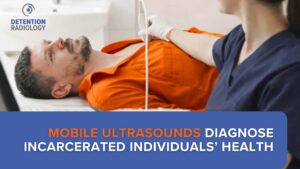
On-site imaging removes these barriers by bringing diagnostic services directly into the correctional environment. When imaging is available where care is delivered, medical teams can make faster, more informed decisions that support both physical treatment and mental health stability.
How On-Site Imaging Supports Mental Health Holistic Correctional Care
On-site imaging is not a standalone service. It is a foundational tool that supports holistic correctional care by enabling accurate diagnosis, treatment monitoring, and interdisciplinary collaboration.
In a mental health holistic correctional care framework, on-site imaging supports:
- Early identification of physical conditions contributing to mental health symptoms
- Ongoing monitoring of chronic illness that affects psychological well-being
- Reduced stress for inmates by limiting transport and environmental disruption
- Improved communication between medical, mental health, and custody teams
By integrating imaging into the care environment, facilities reduce uncertainty and improve confidence in treatment plans.
Detention Radiology’s Role as a Guide in Holistic Correctional Care
Correctional healthcare leaders are the heroes of this story. They navigate regulatory oversight, staffing limitations, and complex patient needs every day. What they need is a trusted guide with deep experience in correctional environments.
Detention Radiology specializes in on-site imaging services designed specifically for correctional facilities. Their approach supports holistic care by ensuring diagnostics are timely, compliant, and aligned with facility operations.
Detention Radiology understands that imaging in correctional settings is not just about technology. It is about security awareness, workflow integration, and regulatory compliance. Every service is delivered with these realities in mind.
Facilities can learn more about Detention Radiology’s on-site services and correctional expertise at https://detentionradiology.com/.
A Real-World Example of Holistic Care in Action
Consider an incarcerated individual presenting with increasing anxiety, agitation, and difficulty sleeping. Behavioral symptoms suggest a mental health concern, but physical contributors have not yet been ruled out.
Through on-site x-ray and diagnostic evaluation, clinicians identify an untreated respiratory infection contributing to shortness of breath and sleep disruption. Once the physical condition is treated, mental health symptoms improve significantly with supportive care.
This outcome is only possible when physical diagnostics and mental health services work together. Holistic correctional care prevents unnecessary escalation and supports safer environments for both incarcerated individuals and staff.
Operational Benefits of Holistic Correctional Care Models
Mental health holistic correctional care benefits extend beyond patient outcomes. Facilities that integrate physical diagnostics into mental health workflows experience operational improvements that matter to administrators and oversight bodies.
These benefits include:
- Fewer emergency transports and crisis interventions
- Improved documentation for audits and compliance reviews
- Reduced strain on custody staff during medical events
- Greater confidence among healthcare teams making treatment decisions
Holistic care models support safer facilities, more predictable workflows, and stronger compliance outcomes.
Aligning Holistic Care With Compliance and Oversight
Correctional healthcare operates under constant scrutiny from regulatory agencies and accrediting bodies. Documentation, timeliness of care, and continuity all matter.
On-site imaging supports holistic care while strengthening compliance by keeping diagnostics within controlled environments. This improves record accuracy, reduces gaps in care, and demonstrates proactive health management during audits and inspections.
When physical and mental health services are integrated, facilities are better positioned to show consistent, patient-centered care delivery that aligns with correctional healthcare standards.
Key Takeaways for Correctional Healthcare Leaders
Mental health care in correctional settings cannot exist in isolation. True progress requires a holistic approach that integrates physical diagnostics, timely treatment, and coordinated care delivery.
Mental health holistic correctional care allows facilities to:
- Address root causes of behavioral and psychological symptoms
- Improve patient outcomes and staff safety
- Reduce operational disruption and transport risk
- Strengthen compliance and audit readiness
With on-site imaging as part of this model, correctional healthcare teams gain the tools they need to deliver effective, compassionate, and compliant care.