
Contraband is one of the most persistent and dangerous challenges facing correctional facilities today. From concealed weapons to narcotics, unauthorized items create serious risks for staff, inmates, and overall facility operations. Traditional detection methods can only go so far, especially when items are hidden internally or within body cavities.
That is where radiology contraband detection correctional strategies are transforming security. By integrating on-site imaging into correctional healthcare workflows, facilities can identify hidden threats quickly, safely, and with a high degree of accuracy.
For administrators, Directors of Nursing, and correctional healthcare teams, the goal is clear. Maintain a secure environment while ensuring compliance and proper medical care. Detention Radiology serves as the guide in achieving that goal through secure, compliant, and efficient on-site imaging solutions.
Why Contraband Detection Needs in Correctional Facilities Have Changed
Correctional environments have evolved. So have the methods used to introduce contraband. Items are no longer just hidden in clothing or personal belongings. Increasingly, they are concealed internally, making them nearly impossible to detect through standard searches.
This creates three major challenges:
- Increased safety risks for staff and incarcerated individuals
- Greater liability and compliance concerns
- Delays in identifying and addressing threats
Facilities that rely solely on manual searches or external scanning methods are often left with gaps in detection. Radiology provides a way to close those gaps.
On-site X-ray services allow facilities to move from reactive responses to proactive detection. Instead of waiting for symptoms or incidents, administrators can confirm the presence of contraband quickly and with confidence.
How On-Site X-Ray Identifies Concealed Contraband
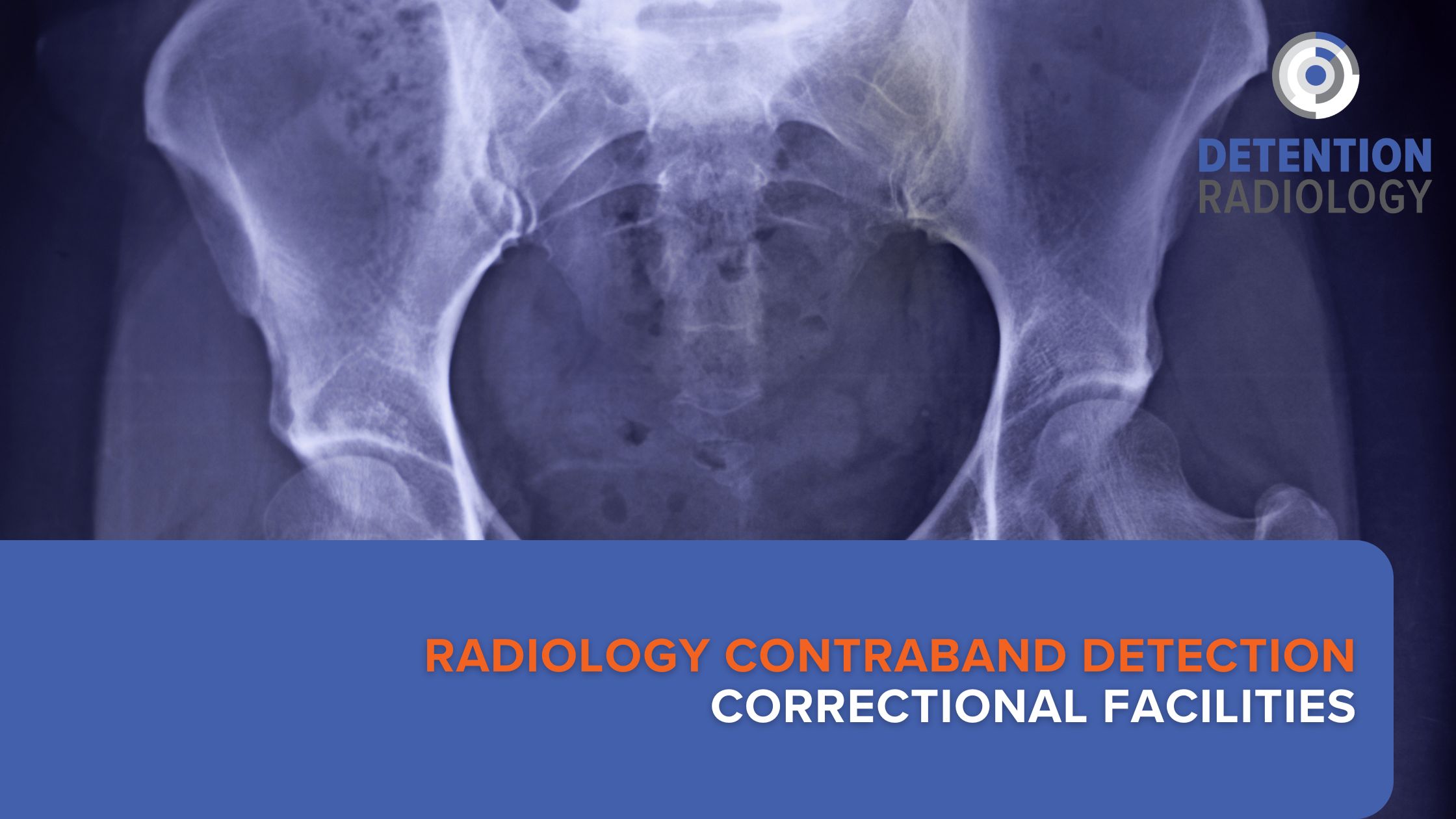
Radiology is one of the most effective tools for detecting internally concealed items. On-site X-ray services provide clear imaging that allows medical and security teams to identify foreign objects within the body.
What Can Be Detected
On-site imaging can reveal a wide range of concealed items, including:
- Metallic objects such as weapons or tools
- Drug packets and other organic materials
- Swallowed or inserted contraband
Unlike manual searches, which rely on observation and compliance, X-ray imaging delivers objective, visual confirmation. This reduces uncertainty and allows for faster, more informed decisions.
How the Process Works
The process is straightforward and designed for correctional environments:
- A concern or suspicion is identified by staff
- On-site imaging is scheduled without transport
- A portable X-ray is performed within the facility
- Images are reviewed by qualified radiology professionals
- Results are delivered quickly for action
This approach eliminates the need to transport incarcerated individuals to outside hospitals, reducing risk and maintaining control within the facility.
Security Benefits of Radiology in Correctional Settings
Radiology contraband detection correctional strategies offer more than just improved detection. They enhance overall facility operations in measurable ways.
Reduced Transport Risks
Transporting incarcerated individuals for imaging introduces multiple risks. These include escape attempts, staff injury, and increased operational costs. On-site imaging eliminates these variables entirely.
Facilities maintain control, reduce overtime expenses, and avoid unnecessary exposure to external environments.
Faster Response Times
Time matters when contraband is suspected. Delays can lead to medical complications or security incidents.
With on-site X-ray services, facilities receive results in hours, not days. This rapid turnaround supports immediate decision-making and intervention.
Improved Compliance and Documentation
Correctional facilities must meet strict standards set by organizations such as NCCHC and regulatory bodies focused on incarcerated individuals’ care and safety.
Radiology provides documented, medically sound evidence that supports compliance efforts. This is especially important when dealing with internal concealment cases that require clinical verification.
Enhanced Staff Confidence
When staff have access to reliable tools, they perform with greater confidence. Radiology removes guesswork and provides clarity in high-pressure situations.
This leads to better coordination between medical and security teams and a more controlled environment overall.
For a deeper look at how on-site imaging strengthens correctional operations, review this resource:
https://detentionradiology.com/enhancing-security-with-on-site-radiology-services/
Real-World Application: From Suspicion to Resolution
Consider a common scenario in correctional facilities. An incarcerated individual is suspected of concealing contraband internally. Traditional searches reveal nothing, but behavior raises concern.
Without radiology, the facility faces a difficult choice. Continue observation and risk escalation, or transport the incarcerated individual off-site, introducing security and logistical challenges.
With on-site imaging, the process changes:
A portable X-ray is performed within the facility. The imaging reveals a foreign object. Medical and security teams can then take appropriate action immediately.
As one correctional healthcare administrator noted:
“Having access to on-site X-ray changed how we handle these situations. We no longer rely on guesswork. We have answers quickly, and that protects everyone involved.”
This shift from uncertainty to clarity is what makes radiology contraband detection correctional strategies so impactful.
Integrating Radiology into Your Facility’s Security Strategy
Implementing on-site imaging is not just about adding a service. It is about strengthening your entire operational framework.
Key Considerations
When evaluating radiology solutions, facilities should focus on:
- Compliance with HIPAA, DOJ, and NCCHC standards
- Speed of service and turnaround times
- Experience working specifically in correctional environments
- Integration with existing medical and administrative workflows
Detention Radiology specializes in correctional healthcare imaging. This focus ensures that every service is designed with security, compliance, and efficiency in mind.
A Simple Path Forward
Facilities can integrate radiology into their operations with a clear process:
Assessment of current challenges
Implementation of on-site imaging protocols
Training and coordination with staff
Ongoing support and optimization
This structured approach ensures that facilities see immediate and long-term benefits.
The Future of Radiology Contraband Detection Correctional Facilities Rely On
As correctional facilities continue to evolve, so will the methods used to maintain safety and compliance. Radiology is becoming a standard component of modern correctional healthcare strategies.
Advancements in portable imaging technology are making on-site services more accessible and efficient than ever. Facilities that adopt these solutions are better positioned to:
- Prevent incidents before they escalate
- Reduce operational costs
- Maintain compliance with evolving standards
- Provide better care for their populations
Radiology is no longer a reactive tool. It is a proactive solution that supports both security and healthcare objectives.
Take the Next Step Toward Safer, More Efficient Operations
You are responsible for maintaining safety, compliance, and efficiency in a complex environment. You should not have to rely on outdated methods or unnecessary risks.
Detention Radiology provides the expertise and on-site imaging solutions needed to detect contraband quickly and accurately while keeping your facility secure.
Get the clarity and confidence your team needs.