
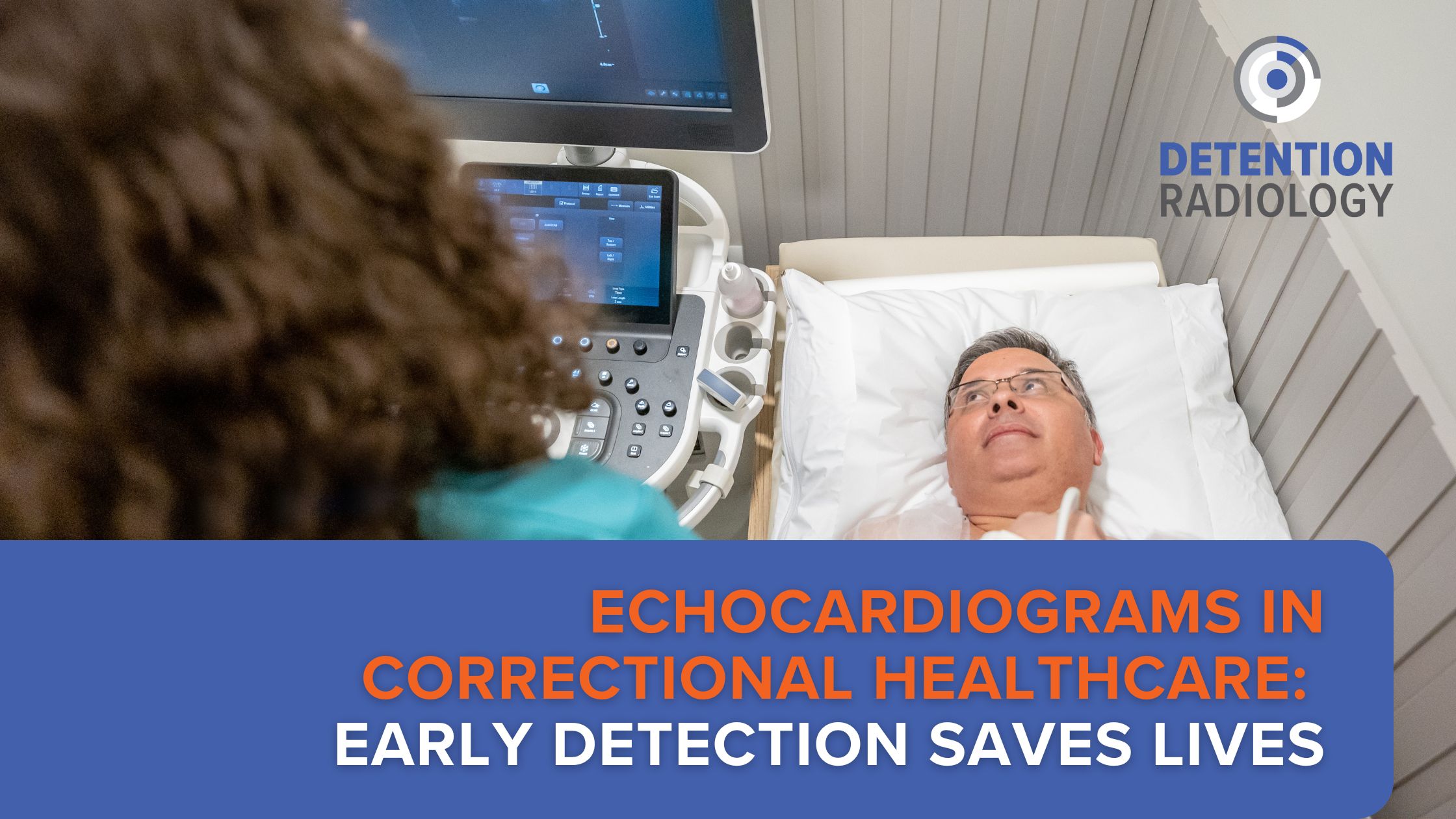
Echocardiograms in Correctional Healthcare: Early Detection Saves Lives
Heart disease remains one of the leading causes of illness and death in correctional populations, often going undiagnosed until it’s too late. Many inmates enter facilities with unmanaged chronic conditions, poor access to prior medical care, or undetected cardiac issues. For correctional healthcare teams, this reality makes early detection not only a medical priority—but a matter of life and death.
On-site echocardiograms allow facilities to identify heart problems before they escalate into emergencies. By bringing cardiac diagnostics inside the secure environment, correctional healthcare teams can save lives, reduce liability, and maintain compliance—all without compromising safety or efficiency.
Why Heart Health Monitoring Is Essential in Correctional Facilities
Correctional facilities manage some of the most medically vulnerable populations in the country. Studies have shown that incarcerated individuals experience higher rates of hypertension, diabetes, and cardiovascular disease compared to the general public. Limited access to preventive care and high stress levels further increase these risks.
For medical directors and nursing staff, consistent cardiac monitoring is essential. Early intervention prevents costly and dangerous cardiac events such as heart attacks, heart failure, and stroke. Yet, traditional healthcare delivery models—reliant on transporting inmates off-site—often delay these critical evaluations.
With on-site echocardiograms, correctional healthcare providers can diagnose and manage conditions earlier, providing a higher standard of care within secure walls.
The Role of Echocardiograms in Early Detection
An echocardiogram, often called an “echo,” is a non-invasive ultrasound of the heart that provides detailed information about cardiac function, structure, and blood flow. It can detect conditions like:
- Heart valve disease
- Congestive heart failure
- Pericardial effusion
- Structural abnormalities or damage from previous heart attacks
For correctional facilities, the ability to perform echocardiograms on-site represents a major advancement. It allows for early detection of life-threatening cardiac issues—often before symptoms become critical.
When integrated into routine inmate health assessments, on-site echocardiography supports a proactive healthcare model that aligns with both NCCHC and DOJ compliance standards.
The Benefits of On-Site Cardiac Diagnostics
Implementing on-site echocardiograms in correctional facilities offers three major benefits:
1. Improved Safety and Security
Each off-site medical transport poses a security risk. On-site echocardiograms remove the need for hospital visits, keeping inmates within the facility and reducing potential incidents during transit.
2. Faster Results, Better Outcomes
When cardiac imaging can be completed immediately, physicians can interpret results faster, initiate treatment earlier, and prevent complications. Timely diagnostics are directly tied to better patient outcomes.
3. Cost Savings and Compliance
On-site services lower transportation and overtime costs while reducing exposure to compliance risks related to HIPAA and chain-of-custody documentation.
For additional insight on how imaging supports early health assessments, explore our related post: The Role of On-Site X-Rays in Inmate Health Screenings: Improving Efficiency and Outcomes.
Real-World Impact: Early Detection That Saves Lives
Across the correctional healthcare system, early access to cardiac diagnostics has changed outcomes for countless inmates. Facilities that have adopted on-site echocardiography report measurable improvements:
- Reduced Emergency Events: Early identification of heart valve issues or cardiac dysfunction has prevented avoidable hospitalizations.
- Better Chronic Care Management: On-site follow-up imaging supports long-term care for high-risk patients.
- Fewer Off-Site Referrals: Administrators report less strain on security staff and fewer disruptions to facility operations.
These outcomes demonstrate how on-site cardiac imaging isn’t just a medical upgrade—it’s a lifesaving, compliance-driven improvement for both healthcare and security teams.
Why Partner with Detention Radiology
Correctional healthcare administrators need more than just equipment—they need a trusted partner who understands compliance, safety, and efficiency. Detention Radiology delivers all three.
Our team specializes in on-site echocardiograms, ultrasounds, X-rays, and other diagnostics designed specifically for correctional environments. We provide same-day service, seamless EMR integration, and adherence to HIPAA, DOJ, and NCCHC standards.
Facilities that work with Detention Radiology experience fewer disruptions, faster diagnostics, and safer care for their inmate populations.
Learn more about our on-site imaging services at detentionradiology.com or call us today to schedule echocardiogram services for your facility.