
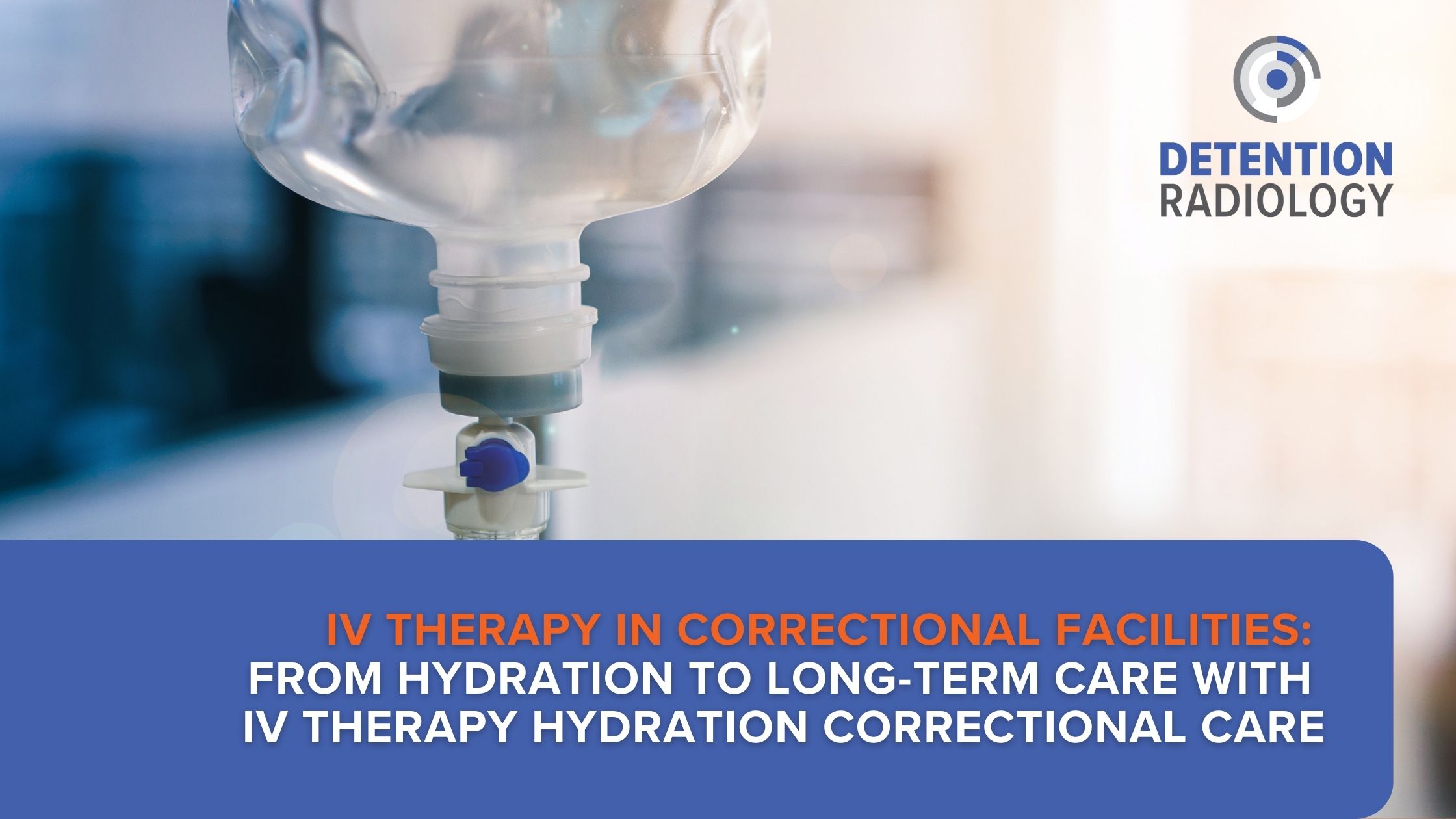
IV Therapy in Correctional Facilities: From Hydration to Long-Term Care with IV therapy hydration correctional care
Correctional healthcare teams face an ongoing challenge. When individuals become dehydrated, experience chronic conditions, or require urgent medical intervention, the facility must balance clinical care with security needs. This tension is especially clear when IV therapy is required.
Traditionally, IV therapy meant transporting patients to off-site hospitals or clinics. Yet every transport introduces risk, cost, and logistical hurdles. As staffing shortages rise and census numbers increase, correctional leaders are searching for better solutions.
This is where Detention Radiology strengthens correctional healthcare. With on-site IV therapy services designed specifically for secure environments, facilities can deliver fast, effective treatment without the strain of external transport. Our focus is to support your mission of safe, compliant, and efficient care inside facility walls.
To understand how on-site IV services transform operations, it helps to explore why IV therapy is so vital in the first place.
Why IV Therapy Matters for Hydration and Correctional Care
IV therapy is one of the most essential clinical tools in correctional healthcare. It ensures immediate hydration, rapid medication delivery, and stabilization during acute medical situations. For many incarcerated individuals, IV access can mean the difference between prolonged illness and timely recovery.
The Importance of IV Therapy for Dehydration, Chronic Illness, and Emergencies
Dehydration is common in correctional settings, often tied to heat exposure, poor oral intake, or acute viral illness. IV therapy provides immediate fluid replacement when oral hydration is not sufficient. In addition to dehydration, IV therapy supports treatment needs for:
- Chronic illnesses such as diabetes, kidney disease, or cardiac conditions
- Infections requiring IV antibiotics
- Acute medical events such as withdrawal, hypotension, or trauma
A correctional facility nurse recently shared,
“IV access is one of the fastest ways to stabilize our patients. When we have the ability to deliver fluids or medications quickly, outcomes improve immediately.”
This rapid stabilization is critical in environments where emergency medical response must operate within secure protocols.
How On-Site IV Therapy Eliminates Transport Risks and Delays
Transporting an inmate for IV therapy is resource-intensive, costly, and potentially dangerous. Off-site visits require escort officers, secure vehicles, long waiting times, and exposure to outside environments. These barriers often delay care.
On-site services remove those obstacles entirely.
Operational Advantages of On-Site Services for iv therapy hydration correctional care
When Detention Radiology provides IV therapy within the facility, correctional teams gain:
- Faster treatment without transport delays
- Reduced staffing strain and overtime
- Decreased liability associated with public exposure
- Improved continuity of care
- Greater control over safety protocols
This alignment of clinical need and operational security mirrors the cost-saving benefits outlined in our article on reducing expenses in correctional healthcare at https://detentionradiology.com/saves-costs-in-correctional-healthcare/.
A long-time correctional administrator stated,
“When we moved IV therapy inside the facility, it changed everything. Staff stayed on site, our transports decreased, and our patients received care faster than ever before.”
On-site IV therapy ensures officers remain in their assigned posts while medical teams complete treatment without interruption.
Detention Radiology’s IV Therapy Process: Safe, Secure, and Built for Correctional Healthcare
IV therapy in a correctional setting requires precision. Technicians must understand both clinical care and the unique security requirements of detention environments. Detention Radiology was built with this balance in mind.
How Our Team Delivers Safe and Secure IV Therapy
We work directly with medical and administrative leadership to ensure every service aligns with facility expectations. Our process includes:
- Trained field clinicians who specialize in high-security environments
- Strict adherence to HIPAA, DOJ, and NCCHC healthcare standards
- Consistent communication with facility medical staff
- Verified protocols for equipment, supplies, and disposal
- Same day or emergency response for urgent hydration or medication needs
Just as our on-site imaging services strengthen operational efficiency and clinical outcomes, on-site IV therapy brings critical medical care directly to those who need it. Learn more about how we support correctional operations at https://detentionradiology.com/.
Real-World Examples: Better Outcomes with On-Site IV Therapy
Across jails and detention centers, leaders report measurable improvements after integrating on-site IV services. These examples reflect the advantages of combining clinical precision with secure in-facility care.
Case Example: Rapid Dehydration Treatment Avoids ER Transfer
A dehydrated inmate presenting with dizziness and tachycardia required immediate fluids. Instead of calling an ambulance or arranging a transport, the facility contacted Detention Radiology. A trained clinician arrived the same day, started IV hydration, and stabilized the patient on site. No transport was needed and officers remained available for internal duties.
Case Example: Chronic Illness Managed Without Repeated Transport
A patient with chronic kidney issues needed regular IV medication. Before on-site services, this meant weekly trips outside the facility. After partnering with Detention Radiology, the facility eliminated nearly all transports for this patient, reducing staff overtime and improving continuity of treatment.
Case Example: Emergency IV Access During Withdrawal
Withdrawal symptoms escalated rapidly for an inmate in medical housing. On-site IV access allowed immediate medication delivery and stabilization. Without on-site care, the delay of transport could have resulted in a medical emergency.
These outcomes illustrate why on-site IV therapy is becoming a standard of care in correctional health systems nationwide.
Why Correctional Leaders Choose Detention Radiology
Your mission is to protect the health and safety of your population while maintaining a secure environment. Detention Radiology strengthens that mission by serving as the guide that simplifies your path forward.
We provide:
- Fast response times
- Trained medical specialists with correctional experience
- Secure, compliant procedures
- Seamless communication with facility medical staff
- On-site imaging, IV therapy, PICC line insertions, and specialized services designed for detention settings
Our team understands the realities of correctional operations. Every protocol, communication step, and clinical service is built to make treatment safer, faster, and easier for your staff.
Conclusion: On-Site IV Therapy Sets a Higher Standard for Correctional Healthcare
When hydration, chronic illness management, or emergency support is needed, IV therapy must be delivered quickly and safely. With on-site IV services, correctional facilities eliminate transport risks, reduce operational strain, and improve clinical outcomes.
Detention Radiology stands ready to support your team with compliant, facility-focused IV therapy and on-site imaging solutions designed specifically for secure environments.
Learn more about our services at https://detentionradiology.com/.