
Monitor Pregnant Inmates: What Correctional Facilities Need to Know
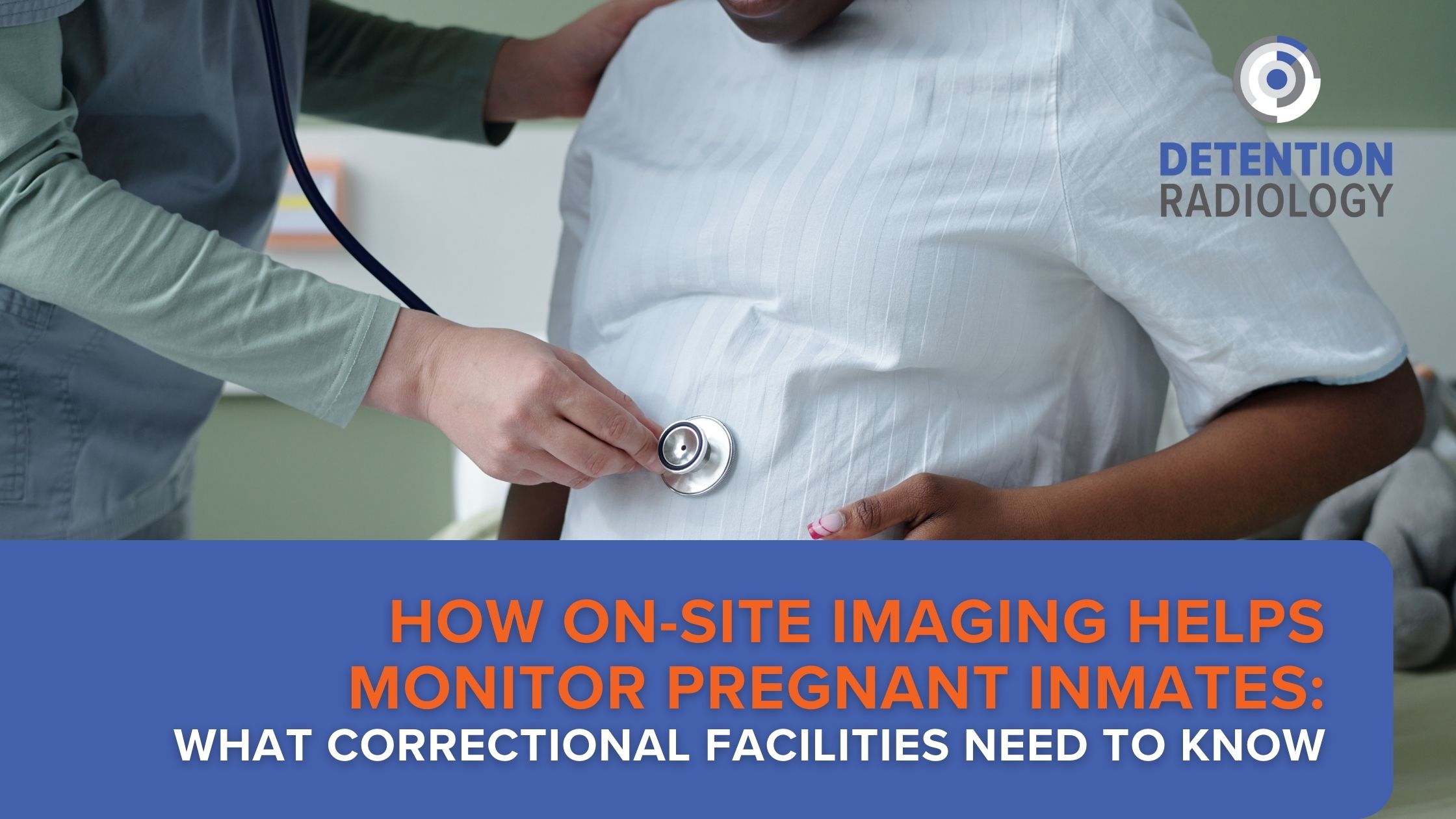
Correctional healthcare teams carry a tremendous responsibility when caring for pregnant inmates. Every medical decision impacts both maternal health and the safety and liability of the facility. One of the most critical needs during prenatal care is timely access to diagnostic imaging such as ultrasounds and X-rays. Yet for many jails and prisons, traditional off-site appointments create risks that are difficult to manage.
This is where on-site imaging for pregnant inmates changes everything. By bringing expert diagnostic services directly into correctional facilities, Detention Radiology helps healthcare teams protect maternal health, minimize security threats, and stay aligned with regulatory requirements.
As shared in our earlier article, The Advantages of Mobile X-Rays for Correctional Facilities (https://detentionradiology.com/5-advantages-of-mobile-x-rays-for-correctional-facilities/), on-site imaging reduces operational strain while improving outcomes. This same principle is even more crucial for pregnant individuals.
Below is an in-depth look at why on-site imaging is becoming the standard of care for prenatal monitoring in correctional environments.
Why Off-Site Imaging Creates Risks for When you Monitor Pregnant Inmates
For decades, correctional facilities relied on transporting pregnant inmates to hospitals or outpatient centers for ultrasounds or obstetric X-rays. While common, these transports introduce multiple complications.
Off-Site Transport Risks
Transporting any incarcerated individual requires officers, secure vehicles, restraints protocols, and coordination with off-site providers. For pregnant inmates, these risks increase significantly.
- Medical instability during transport. Pregnancy can heighten the possibility of fainting, high blood pressure episodes, preterm contractions, or other urgent conditions.
- Delayed response times. Traffic, waiting rooms, and slow intake processes can prolong an already stressful situation.
- Custody and safety concerns. Each transport increases the risk of escape attempts, altercations, or unexpected exposure to the public.
A Director of Nursing at a mid-sized detention center described off-site prenatal visits this way:
“Every transport brought stress. You are balancing fetal safety with custody procedures, and one issue in the chain can turn into a critical event.”
Operational and Staffing Burden for Monitor Pregnant Inmates
Even a single prenatal ultrasound appointment can pull officers away from the facility for hours. For smaller jails, this becomes a major staffing challenge.
- Escort officers are unavailable for internal duties
- Court schedules can conflict
- Visits must be delayed when staffing is limited
These delays directly impact maternal health and facility liability.
Why On-Site Imaging Is Essential for Pregnant Inmates
Bringing diagnostic services directly into the facility removes barriers while improving clinical outcomes. Detention Radiology provides on-site ultrasounds and X-rays specifically tailored to correctional healthcare. This ensures secure, compliant, and fast imaging without the complications of transport.
Improved Health Outcomes and Faster Prenatal Monitoring
Pregnancy care relies on timely imaging to monitor fetal development. With on-site services, healthcare teams receive:
- Access to ultrasounds exactly when needed
- Faster identification of complications
- Reduced wait times for physician interpretation
- Same-day imaging for urgent prenatal concerns
A correctional clinician who transitioned to on-site imaging shared:
“We moved from waiting a week for an ultrasound slot to receiving imaging within hours. That shift alone improved the health of every expecting mother in our care.”
Increased Facility Security
On-site imaging eliminates the need to move inmates outside facility walls, which immediately improves security.
- No transport risks
- No external public exposure
- Reduced contraband risk
- Officers stay inside the facility where they are needed most
Detention Radiology was built around the unique requirements of correctional environments. Our team works directly with facility leadership to ensure all protocols align with security expectations, HIPAA requirements, and NCCHC standards.
How On-Site Ultrasound and X-Ray Services Support Maternal Health
Pregnancy requires a series of routine scans. These include dating scans, anatomy checks, viability assessments, and specialized imaging depending on maternal risk factors. On-site imaging meets these needs without disruption.
Benefits of On-Site Ultrasound for Pregnancy
Ultrasound is the primary diagnostic tool used throughout pregnancy. On-site ultrasound allows facilities to:
- Confirm fetal heartbeat and growth
- Detect complications early
- Monitor high-risk pregnancies
- Provide timely assessments when symptoms arise
Ultrasound has no radiation exposure, making it safe and ideal for frequent updates.
When X-Rays Are Needed During Pregnancy
While X-rays are used sparingly during pregnancy, they are necessary in cases such as:
- Possible fractures
- Respiratory concerns
- Abdominal trauma
- Certain medical emergencies requiring rapid evaluation
On-site X-ray services ensure critical diagnostics can occur safely inside the facility, reducing delays that could impact both maternal and fetal health.
For more details on how on-site imaging supports operational efficiency, see our article The Role of Mobile X-Ray in Correctional Healthcare on our website at https://detentionradiology.com/the-role-of-mobile-x-.
Real Examples of Better Outcomes for Pregnant Inmates
Correctional facilities that adopt on-site imaging report transformative results. Here are real-world examples drawn from Detention Radiology’s work with facilities nationwide:
Case Example: Early Detection Prevents Emergency Transport
A pregnant inmate reported abdominal discomfort. With on-site ultrasound available within hours, clinicians identified a non-urgent but significant complication. Prenatal specialists were consulted early, and the pregnancy continued safely.
Without immediate on-site imaging, the condition might have worsened before an off-site appointment was available.
Case Example: Reduced Staffing Burden
A county jail previously required two officers for every prenatal appointment. After switching to on-site imaging, the facility saved dozens of staff hours per month and reduced transport overtime costs. These operational savings allowed officers to remain focused on internal facility needs.
Case Example: Improved Continuity of Care
With Detention Radiology’s secure transmission of images and reports, physicians were able to track fetal development more consistently. Charting became more accurate, and follow-up plans were easier to execute.
These outcomes demonstrate why the shift to on-site imaging for pregnant inmates is not simply convenient, but essential.
How Detention Radiology Supports Correctional Healthcare Teams
Your goal as a correctional healthcare provider is clear. You want fast, dependable imaging that protects your population, upholds compliance, and reduces risk. Detention Radiology serves as your guide by providing:
- Six to twelve hour response times
- Secure, compliant imaging workflow
- Experienced technologists trained for high-security environments
- Seamless EMR integration
- Consistent, predictable scheduling
- On-site ultrasound, X-ray, PICC line, IV therapy, and other specialized services designed for correctional healthcare
Our focus is supporting your mission to provide safe, effective, and compliant care for every individual, including expecting mothers.
To explore more advantages of secure, on-site services, visit https://detentionradiology.com/.
Conclusion: On-Site Imaging Sets a Higher Standard for Maternal Care
Caring for pregnant inmates requires a healthcare approach that is fast, controlled, and aligned with the realities of correctional operations. On-site imaging for pregnant inmates ensures safer pregnancies, stronger compliance, reduced liability, and better outcomes for mothers and their unborn children.
Correctional healthcare teams work hard to protect their populations. Detention Radiology is here to support that mission through secure, dependable, and specialized imaging delivered directly inside your facility.
To learn more or request services, visit https://detentionradiology.com/.