
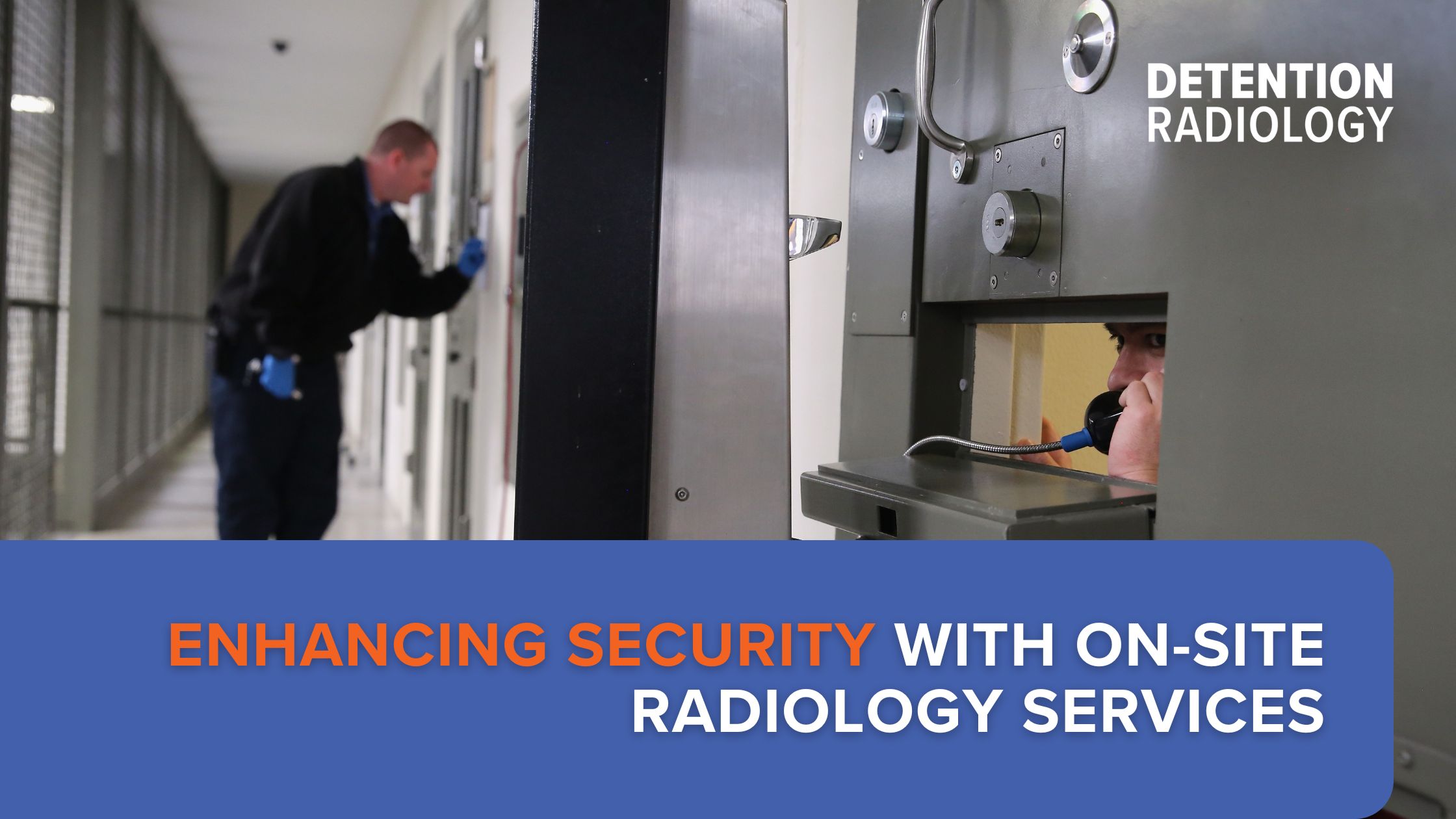
Enhancing Security with On-Site Radiology Services
Correctional facilities walk a fine line every day—delivering necessary healthcare while ensuring the highest levels of security. One of the greatest threats to that balance arises when inmates must be transported off-site for diagnostic imaging. Each trip outside the secure perimeter increases risks of escape, contraband introduction, or incidents with staff.
On-site radiology services change this dynamic, allowing facilities to deliver advanced medical diagnostics while keeping inmates securely inside. This article explores how on-site imaging improves security in correctional facilities, the risks it eliminates, and real-world examples of safer operations.
The Risks of Inmate Transport for Imaging
Transporting inmates for imaging is never routine. Each transfer requires extensive planning, strict chain-of-custody documentation, and the involvement of multiple officers. Vehicles must be available, routes secured, and hospital staff coordinated.
Even with precautions, transport creates vulnerabilities:
- Potential escape attempts during transit or at hospitals
- Risk of violent incidents when inmates interact with the public
- Staff diverted from facility duties, leaving fewer officers inside
As Tyler Merchant of Detention Radiology explains, “On-site imaging eliminates risks of escape or incidents during transport. Facilities can better maintain security while addressing healthcare needs.”
These risks are why many administrators and Directors of Nursing are rethinking the role of off-site imaging in their facilities.
How On-Site Imaging Enhances Security Protocols
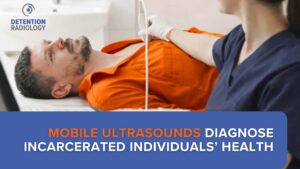
By bringing imaging into the facility, correctional administrators gain tighter control over both inmate care and security. With on-site X-rays, ultrasounds, and echocardiograms performed in secure exam rooms, inmates never leave the perimeter.
This approach strengthens security protocols by:
- Eliminating public exposure during hospital visits
- Keeping staff focused inside the facility rather than on the road
- Reducing opportunities for contraband exchange during transport
On-site imaging isn’t just a healthcare solution—it’s a security upgrade. For more on how it also helps address contraband risks, see our blog Beyond Healthcare: How Radiology Enhances Contraband Detection in Correctional Facilities.
Real-World Examples of Safety Improvements
Correctional facilities that transition to on-site radiology report measurable improvements in safety:
- Case Example: Large Urban Facility – After implementing on-site X-rays, the facility reduced inmate transports by over 50%. This not only cut costs but also significantly reduced exposure to escape risks during hospital transfers.
- Case Example: Rural Detention Center – Administrators noted fewer staff overtime hours, with officers reassigned from transport duty to in-facility security posts. This improved internal staffing coverage while keeping medical care uninterrupted.
These real-world outcomes prove what administrators have long known: every transport avoided is one less security risk.
Why Safety Demands On-Site Radiology
Security is the top priority for correctional facilities, but safety cannot come at the expense of inmate healthcare. On-site radiology bridges this gap, delivering both without compromise. Facilities that rely on Detention Radiology gain peace of mind knowing that every scan, every diagnostic procedure, and every patient interaction happens within secure walls.
Directors, healthcare providers, and administrators who choose on-site radiology find they can:
- Strengthen compliance with DOJ and NCCHC standards
- Minimize risk of incidents and contraband introduction
- Reassure both staff and communities that security is never compromised
Learn more about our secure on-site services here or call us today to discuss how Detention Radiology can help your facility enhance security while delivering essential healthcare.